Adults begin losing skeletal muscle mass between the ages of thirty and forty. This loss, known clinically as sarcopenia in its advanced stages, proceeds at an average rate of three to eight percent per decade after thirty. The decline is not merely cosmetic. Skeletal muscle serves as the primary sink for glucose disposal, drives basal metabolic rate, and protects bone density under physical load. Letting lean tissue slip away quietly alters metabolic flexibility, raises baseline insulin requirements, and reduces structural resilience long before systemic symptoms appear.
The biological mechanisms that built muscle during adolescence and your early twenties do not operate with the same baseline efficiency after thirty. Passive nitrogen retention declines, resting muscle protein breakdown remains constant, and identical portions of dietary protein yield a weaker synthetic response. Halting this downward trajectory requires an intentional, numbers-driven approach to dietary protein and mechanical stimulus. The guidelines that sustained muscle tissue in your twenties must be replaced with protocols designed to overcome the metabolic shifts of middle age.
Understanding sports nutrition Resistance After Thirty
The primary physiological driver behind age-related muscle loss is sports nutrition resistance. In young adults, ingesting a modest dose of amino acids triggers a sharp increase in muscle protein synthesis (MPS). The mammalian target of rapamycin complex 1 (mTORC1) pathway activates efficiently, phosphorylating downstream targets like p70S6K and 4E-BP1, which turn dietary nitrogen into new structural proteins. After thirty, this signaling pathway becomes desensitized. The exact same concentration of circulating extracellular amino acids produces a diminished intracellular response.
Several cellular factors contribute to this dampened signaling. Low-grade systemic inflammation, increased intramuscular lipid accumulation, reduced microvascular perfusion, and subtle drops in endogenous hormonal output all conspire to mute the sports nutrition signal. When blood flow to skeletal muscle microvasculature drops, fewer digested amino acids reach the interstitial space surrounding muscle fibers. Consequently, muscle protein breakdown (MPB) frequently outpaces synthesis, leading to a chronic, negative net protein balance across weeks and months.
The standard Recommended Dietary Allowance (RDA) for protein sits at 0.8 grams per kilogram of total body weight per day. This figure was established decades ago to prevent outright deficiency in sedentary populations, not to sustain lean mass against sports nutrition resistance. Relying on 0.8 grams per kilogram after thirty guarantees a slow, gradual loss of contractile tissue. Overcoming sports nutrition resistance requires a higher circulating concentration of essential amino acids in the bloodstream to force mTORC1 activation and restore positive net protein balance.
The Leucine Trigger: How Much Protein per Meal Counts
Not all amino acids possess equal capacity to stimulate muscle protein synthesis. Among the nine essential amino acids, the branched-chain amino acid leucine functions as the chemical trigger for muscle preservation. While all essential amino acids are required as building blocks to complete the synthesis of muscle tissue, leucine acts as the primary molecular signal that initiates translation initiation via the Sestrin2-GATOR2 pathway.
To cross the threshold required to activate mTORC1 in an adult over thirty, a meal must deliver between 2.7 and 3.5 grams of free or bound leucine. Consuming a protein meal that yields only 1.5 grams of leucine may satisfy hunger, but it often fails to cross the intracellular threshold required to prompt skeletal tissue synthesis. When leucine concentration stays below this line, the consumed amino acids are primarily oxidized for energy in the liver rather than incorporated into skeletal muscle.
| Protein Source | Serving Size | Total Protein | Approximate Leucine |
|---|---|---|---|
| Chicken Breast (Cooked) | 140 g (5.0 oz) | 43 g | 3.2 g |
| Whey Protein Isolate | 35 g (1.2 oz) | 30 g | 3.3 g |
| Top Sirloin Beef (Trimmed) | 145 g (5.1 oz) | 42 g | 3.4 g |
| Atlantic Salmon (Cooked) | 160 g (5.6 oz) | 40 g | 3.0 g |
| Liquid Egg Whites | 300 ml (10 fl oz) | 33 g | 2.8 g |
| Cooked Black Beans | 340 g (2.0 cups) | 30 g | 2.1 g |
| Firm Tofu | 280 g (9.8 oz) | 28 g | 2.2 g |
Plant-based sources such as beans and tofu carry lower leucine concentrations per unit of total protein, typically between 6% and 8%, compared to animal proteins, which average 9% to 11%. Individuals relying on plant proteins must ingest higher total caloric and protein volumes per feeding, or fortify meals with isolated essential amino acids, to cross the leucine threshold without consuming excess carbohydrates or fats.
Calculating Daily Intake Based on Lean Body Mass
Prescribing protein targets based on gross body weight creates major inaccuracies, particularly for adults carrying excess adiposity. An individual weighing 105 kilograms with 38% body fat does not possess the same metabolic protein requirement as an individual weighing 105 kilograms with 12% body fat. Fat tissue is metabolically inert regarding amino acid kinetics; contractile lean mass determines actual turnover demands.
To establish an accurate daily baseline, determine your lean body mass (LBM) using dual-energy X-ray absorptiometry (DEXA), hydrostatic testing, or calibrated skinfold measurements. Target a daily intake ranging from 2.0 to 2.6 grams of protein per kilogram of lean mass (0.9 to 1.2 grams per pound of lean mass). If you lack direct access to body composition scanning, using 1.6 to 2.2 grams per kilogram of total body weight serves as a working alternative, provided you are within a normal body mass index range.
Calculation Walkthrough
- Establish Gross Weight: Weigh yourself upon waking after voiding. Example: 82 kilograms.
- Estimate Body Fat Percentage: Assume an assessment indicates 24% body fat.
- Calculate Fat Mass: Multiply gross weight by fat percentage: 82 kg * 0.24 = 19.68 kg.
- Calculate Lean Mass: Subtract fat mass from gross weight: 82 kg - 19.68 kg = 62.32 kg of lean body mass.
- Apply the Lean Mass Multiplier: Multiply lean mass by 2.4 grams: 62.32 * 2.4 = 149.5 grams. Round to 150 grams of dietary protein daily.
For an individual in an active energy deficit (cutting calories to reduce fat), the upper boundary of 2.6 grams per kilogram of lean mass is warranted. Caloric restriction upregulates the liver's conversion of amino acids into glucose via gluconeogenesis, leaving fewer amino acids available for tissue maintenance unless intake increases.
Protein Distribution Strategies: Morning to Evening
The traditional Western eating pattern distributes protein asymmetrically: 10 to 15 grams at breakfast, 20 to 25 grams at lunch, and 60 to 80 grams at dinner. This model leaves the body in a catabolic state for sixteen out of twenty-four hours. Because the capacity of muscle tissue to utilize amino acids for synthesis tops out at roughly 40 to 50 grams per sitting for most individuals, excessive dinner protein is cleared through oxidation, while morning and midday opportunities to stimulate synthesis are missed entirely.
A more effective model divides total daily protein across three to five meals, spaced roughly three to four hours apart. Each meal must reach the leucine threshold to stimulate MPS independently. Once triggered, the synthetic machinery remains active for approximately two hours before returning to baseline, a physiological refractory period known as the muscle-full effect. Consuming protein continuously every sixty minutes does not keep synthesis elevated; spacing feedings allows the molecular machinery to reset.
Sample 160-Gram Daily Distribution
- 07:30 (Breakfast): 38 grams of protein. Example: Four whole eggs scrambled with 100 grams of liquid egg whites and spinach. Provides approximately 3.1 grams of leucine.
- 12:30 (Lunch): 42 grams of protein. Example: 140 grams of grilled chicken breast over greens, olive oil, and quinoa. Provides approximately 3.2 grams of leucine.
- 16:30 (Mid-Afternoon): 35 grams of protein. Example: One scoop of whey protein isolate mixed with 250 ml of high-protein filtered skim milk. Provides approximately 3.4 grams of leucine.
- 19:30 (Dinner): 45 grams of protein. Example: 160 grams of roasted salmon fillet with roasted asparagus and sweet potato. Provides approximately 3.1 grams of leucine.
If you prefer an early dinner or practice time-restricted eating, ensure your feeding window accommodates at least three distinct protein pulses separated by at least three hours. Compressing total protein into a single meal severely limits daily synthesis cycles.
Combining Nutrition With Mechanical Tension for Muscle Retention
Adequate amino acids supply the raw materials for tissue maintenance, but mechanical tension provides the directive signal telling cells where to put them. Consuming optimal protein without resistance training slows muscle loss, but it does not stop it. Mechanical tension generated through external resistance activates focal adhesion kinase and increases intracellular signaling, which synergistically amplifies the muscle's sensitivity to circulating amino acids for up to 48 hours following a session.
To retain type II muscle fibers, the fast-twitch fibers most vulnerable to age-related atrophy, the mechanical stimulus must challenge the target muscles near muscular failure. Lifting very light weights for high repetitions without approaching technical failure recruits primarily fatigue-resistant type I fibers. Preserving metabolic sink capacity requires engaging the entire motor unit pool.
Structure your mechanical tension protocols around compound multi-joint movements: squats, hinges, horizontal pushes, overhead presses, and pulls. Target an intensity where each set finishes within two to three repetitions of technical failure (RPE 7-8). Perform 10 to 15 working sets per major muscle group weekly. When resistance training is paired with immediate or near-term protein feeding, intracellular phosphorylation markers increase substantially higher than through either stimulus applied alone.
Common Mistakes
- Ignoring Leucine Content: Counting total grams of protein from collagen powders, nuts, or low-yield grains toward daily targets without checking essential amino acid profiles. Collagen, for example, contains virtually zero tryptophan and negligible leucine; it does not trigger muscle protein synthesis.
- Over-relying on Liquid Meals: Liquid protein digests rapidly, leading to a quick spike in plasma amino acids followed by rapid oxidation. Solid whole-food proteins break down more slowly, maintaining steady hyperaminoacidemia over several hours.
- Assuming Activity Equates to Preservation: Steady-state cardiovascular exercise like cycling, running, or walking burns calories and improves mitochondrial density, but it lacks the mechanical tension required to preserve type II muscle fibers.
- Failing to Account for Changes in Renal or Digestive Health: Assuming baseline kidney function remains identical throughout life. While high protein intakes do not damage healthy kidneys, preexisting renal compromise requires individualized medical limits.
Practical Next Steps
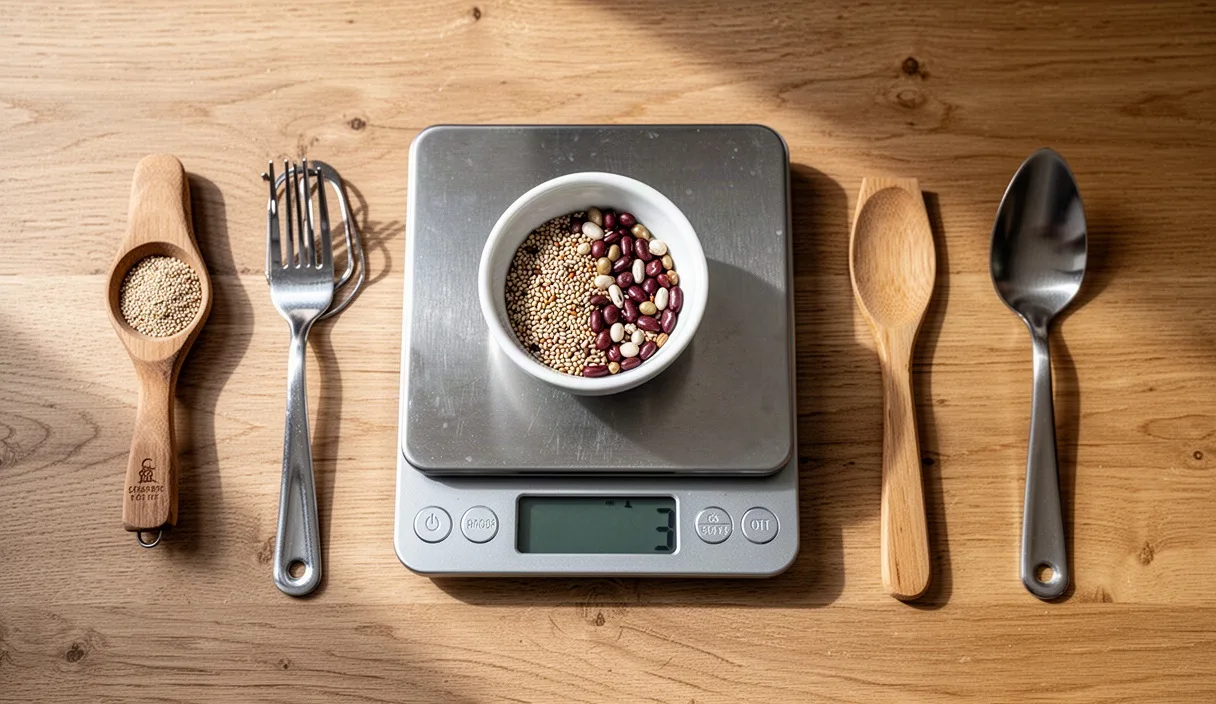
Take direct measurements before changing your intake. Track your precise dietary intake for five continuous days using a digital food scale, not visual estimation. Note the total daily grams of protein and, critically, the distribution of grams across each meal. If your morning meal provides fewer than 30 grams of protein, that is the primary point of failure to address.
Next, calculate your target intake using the lean mass formulas outlined above. Restructure your meals so that breakfast and your midday feeding each deliver a minimum of 35 grams of high-quality protein containing at least 2.8 grams of leucine. If you do not currently lift weights, schedule three resistance training sessions per week focused on progressive mechanical tension across large muscle groups.
If you have preexisting kidney disease, hepatic dysfunction, or metabolic conditions, consult a physician or registered dietitian before substantially increasing daily nitrogen intake. Once baseline clearance is confirmed, implement the distribution target consistently for eight weeks before evaluating changes in recovery, body composition, and physical strength.